Printing7 min read
Flexo vs digital vs offset printing for corrugated boxes: which one fits your order?
How flexographic, digital and offset-laminated printing work on corrugated board, and how run length, artwork and use decide the right method.
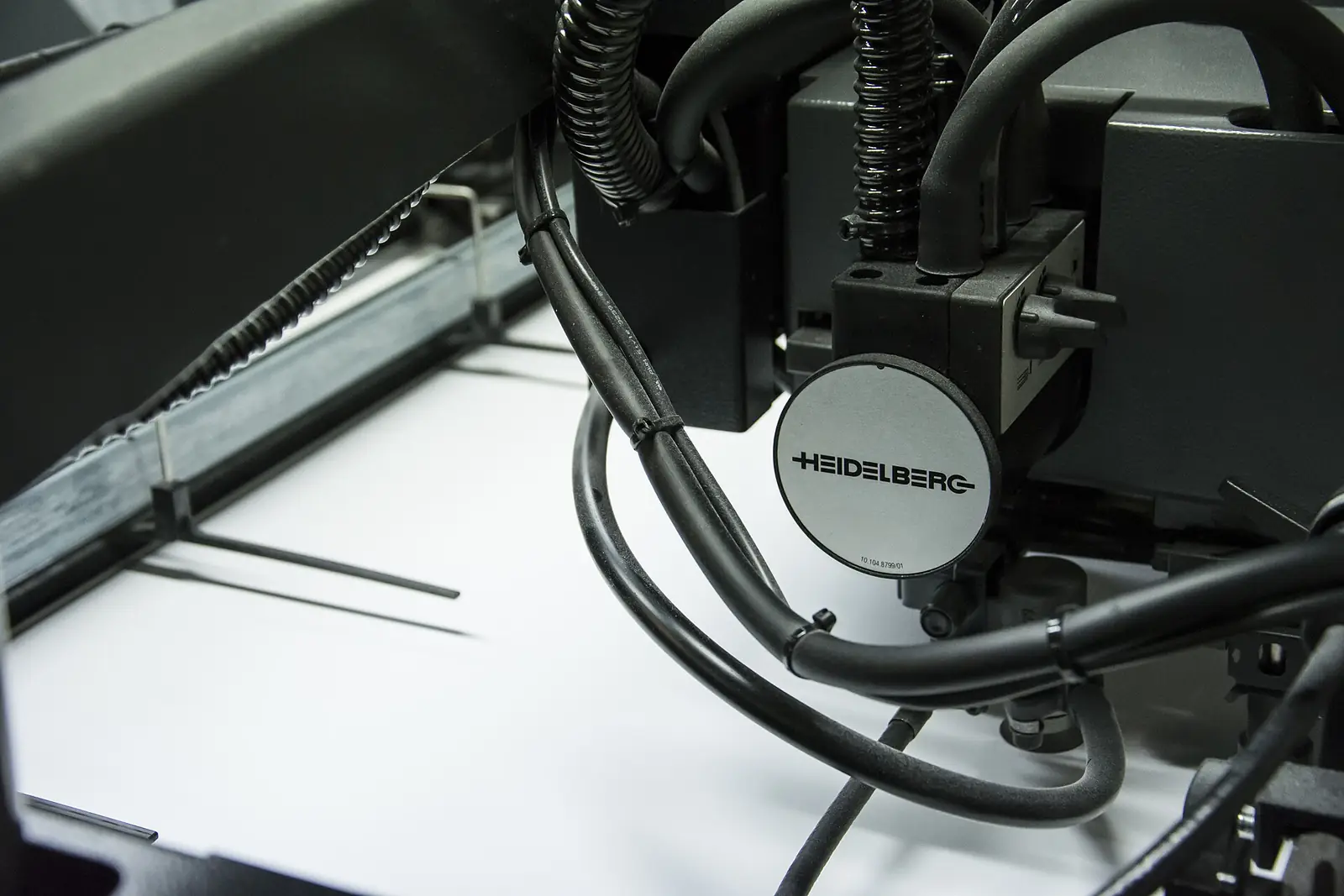
Three printing methods cover almost every printed corrugated box you will see: flexographic, digital and offset-laminated. Each one puts ink on board in a different way, and that difference shows up in the finished box, in the set-up cost and in how practical a short or long run is.
There is no single best method. The right choice depends on your artwork, your order size, how often the design changes and what the box has to do. This guide explains how each process works and when it makes sense, so you can brief your supplier with confidence.
The quick answer
If you only read one paragraph, read this one:
- Flexo suits repeat orders of a stable design with a limited number of solid colours, line art and text.
- Digital suits short runs, frequent design changes, multiple versions and full-colour artwork without plate costs.
- Offset-laminated suits retail and presentation packaging where photographic quality and fine detail matter most.
The rest of this article explains why, and what to check before you commit.
Flexographic printing
Flexo is the workhorse of corrugated printing. Flexible relief plates, usually photopolymer, are mounted on cylinders. Ink is transferred to the raised areas of the plate by an anilox roller and then printed directly onto the corrugated board.
Where flexo works well
Flexo is efficient once the plates are made. Each additional box costs relatively little to print, so it becomes more economical as quantities rise and as the same design is repeated. It handles solid spot colours, logos, handling symbols and text well, and it prints directly onto both white and kraft liners.
Water-based inks are common in corrugated flexo, which helps keep the box easy to recycle in the paper stream.
Limitations to plan for
- Plates are a one-off cost per design and colour. A new design means new plates. Small text changes can also mean a new plate.
- Detail has limits. Because the board is fluted, printing directly onto it can show slight marks along the flutes, especially with large solid areas or fine screens. Finer flutes give a smoother printing surface.
- Colour count matters. Each colour usually needs its own plate and print unit, so artwork with many colours costs more to set up.
For many shipping cartons, a well-designed one- or two-colour flexo print is all the branding the box needs.
Digital printing
Digital printing on corrugated uses inkjet technology to print the artwork directly from a file onto the board. There are no plates, so the set-up is mostly file preparation and colour management.
Where digital works well
- Short runs. With no plate cost to spread, digital keeps small orders practical.
- New products and trials. You can trial a design in the market before committing to plates for a longer run.
- Versioning. Different designs, languages or seasonal variants can be printed in the same production window.
- Full-colour artwork. Gradients and photographic images do not need extra plates.
Limitations to plan for
The cost per box does not fall as steeply with volume as it does with flexo, so on long runs of an unchanged design flexo is often more economical. Colour on uncoated kraft or white liner also behaves differently from colour on coated paper, so a printed proof on the actual board is worth more than what you see on screen.
Offset-laminated printing
Offset-laminated packaging, often called litho-lam, is made in two stages. The artwork is printed by offset lithography onto a sheet of paper or thin board. That printed sheet is then laminated onto corrugated board before die-cutting.
Where offset-laminated works well
Because the image is printed on a smooth sheet rather than on fluted board, offset-laminated packaging gives the sharpest detail and the most consistent colour of the three methods. It suits retail display packaging, premium gift boxes and products where the box is part of the shelf presentation.
Limitations to plan for
- More steps, more lead time. Printing, laminating and die-cutting are separate operations.
- Set-up costs. Offset uses printing plates, and the lamination step adds material and time.
- Board choice. The printed sheet adds a layer to the construction, which affects weight and the specification you approve.
Side by side
| Feature | Flexo | Digital | Offset-laminated |
|---|---|---|---|
| Plates | Yes, per colour | No | Yes, on the printed sheet |
| Best run length | Medium to long, repeated designs | Short runs and versions | Medium to long, premium designs |
| Artwork | Spot colours, line art, text | Full colour, gradients, variants | Photographic, fine detail |
| Print surface | Directly on the liner | Directly on the liner | On a laminated top sheet |
| Typical use | Shipping cartons, e-commerce boxes | Launches, trials, seasonal runs | Retail and display packaging |
Treat this as a starting point. Minimum quantities and the point at which one method becomes cheaper than another depend on the box size, board, number of colours and finishing, so ask for quotes on the same specification in more than one method if you are unsure.
Questions that decide the method
When you request a quote, the answers to these questions point to the right process:
- How many boxes per design, and how often will you reorder? Long repeated runs favour flexo; small or one-off runs favour digital.
- How many colours, and is there photography? Two spot colours and a logo suit flexo. Photographic images suit digital or offset-laminated.
- Will the design change? Frequent changes make plates expensive over time.
- Is the box for shipping or for display? A transit carton rarely needs litho quality; a retail box might.
- Which liner colour do you want? Print looks different on white and kraft liners. Decide early and approve the proof on the real board.
The flute matters too. Finer flutes give a smoother surface for print, while larger flutes give more cushioning and stacking strength. Our guide to corrugated flute types explains the trade-off.
Food packaging and printing inks
If the box will hold food, printing needs extra care. In the EU, food contact materials must comply with Regulation (EC) No 1935/2004, and Regulation (EC) No 2023/2006 on good manufacturing practice sets specific rules for printing inks on the non-food-contact side. Inks must be formulated and applied so that substances from the printed surface do not transfer to the food-contact side, either through the substrate or by set-off when printed sheets are stacked or reeled.
In practice, tell your supplier at quotation stage that the packaging is for food, which food it is and whether there is direct contact. Ink, board and any coatings can then be selected and documented for that use.
Artwork and proofing, whatever the method
A few habits prevent most print problems:
- Start from the dieline. Place artwork on the supplier's dieline for your exact size so panels, folds and glue flaps line up.
- Give colour references. Pantone references for spot colours, CMYK for full-colour artwork.
- Approve a proof. Agree what the proof is (digital, printed or a physical prototype) and approve it before production starts.
- Allow for the board. Colour on corrugated liner will not match coated paper exactly. Discuss expectations at proof stage, not after delivery.
If your boxes will be shipped as parcels, size matters as much as print. See our guide to box dimensions and dimensional weight.
Getting the right quote
We print corrugated packaging by flexo, digital and offset-laminated methods, and we will recommend the one that fits your quantities and artwork rather than the one that is easiest for us. See our custom printed boxes and custom manufacturing process, then request a quote with your box size, quantities and artwork.
Frequently asked questions
- Which printing method is cheapest for corrugated boxes?
- It depends on quantity and artwork. Flexo is usually economical for long, repeated runs of a stable design. Digital avoids plate costs and suits short runs and frequent changes.
- Can I print photographs on corrugated boxes?
- Yes. Digital printing handles full-colour images directly on the board, and offset-laminated packaging gives the finest detail by printing on a smooth sheet that is then laminated to the board.
- Will my colours match my brand guidelines exactly?
- Colour on uncoated corrugated liner behaves differently from coated paper. Provide Pantone or CMYK references and approve a proof on the actual board before production.
- Are printed boxes suitable for food?
- They can be, if inks, board and coatings are selected for food contact. Tell your supplier at quotation stage that the packaging is for food so materials can be chosen and documented accordingly.
Sources
- Regulation (EC) No 2023/2006 on good manufacturing practice for food contact materials (EUR-Lex)
- Regulation (EC) No 1935/2004 on materials and articles intended to come into contact with food (EUR-Lex)
- Regulation (EU) 2025/40 on packaging and packaging waste (EUR-Lex)
General information, not legal or customs advice. Rules change; check the current official text before acting.