
Regulation7 min read
EU PPWR: what packaging buyers should know
The EU Packaging and Packaging Waste Regulation in plain English: key dates, who counts as manufacturer or importer, and what it means for corrugated boxes.
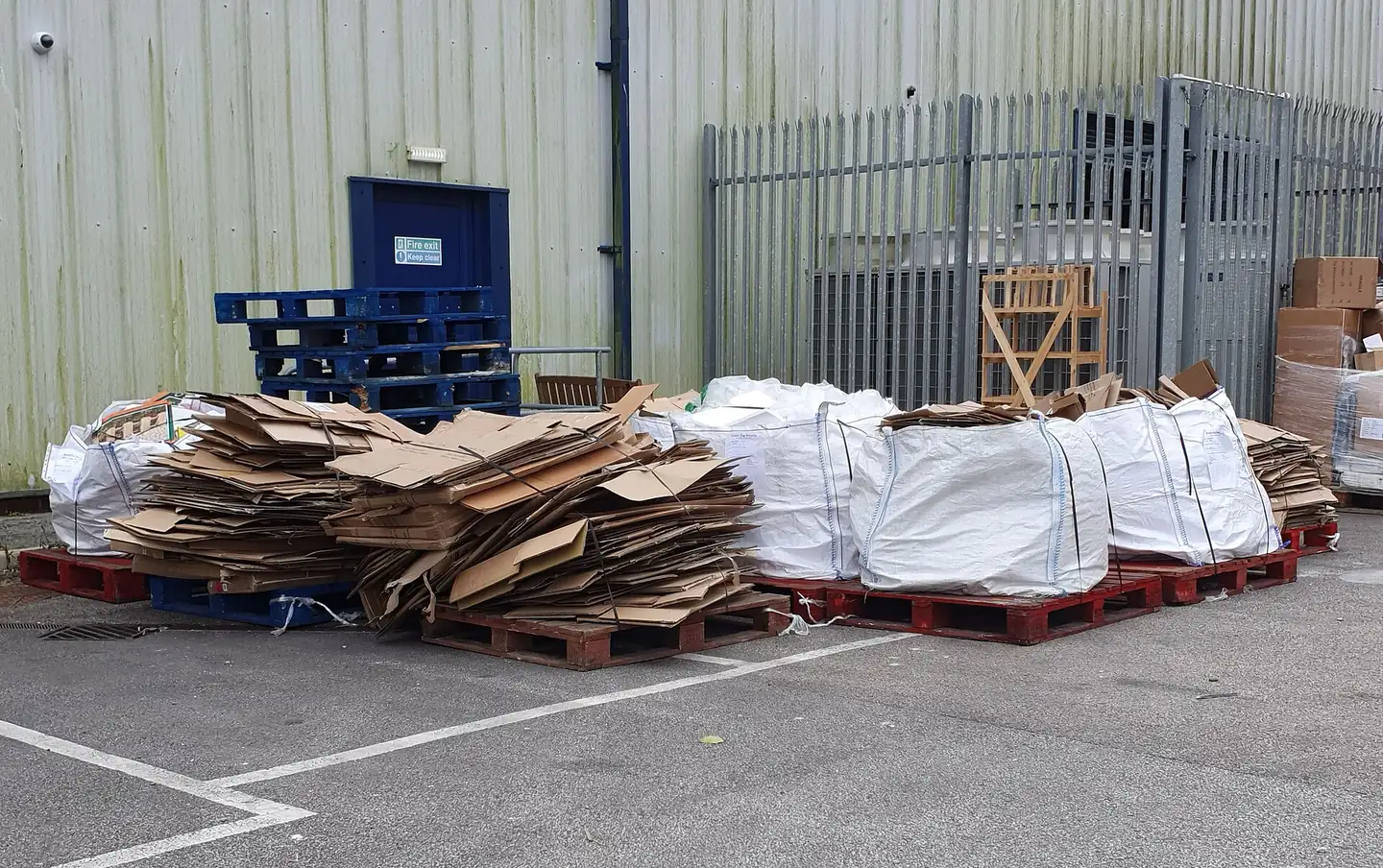
The EU Packaging and Packaging Waste Regulation, usually shortened to PPWR, replaces the old Packaging Directive with a single regulation that applies directly in every Member State. It covers all packaging placed on the EU market, whatever the material and wherever it was made, so it matters to anyone buying packaging from outside the EU as much as to European manufacturers.
This article summarises what the PPWR means for buyers of corrugated and paper-based packaging, with the dates that are set in the regulation itself. It is a summary of the published text, not legal advice. Several obligations depend on secondary legislation that is still being prepared, and the regulation has already been corrected and amended, so always check the current consolidated version on EUR-Lex.
The key dates
The PPWR is Regulation (EU) 2025/40. It was published in the Official Journal on 22 January 2025 and entered into force twenty days later.
- 12 August 2026: the regulation applies, apart from provisions with their own later dates.
- 12 February 2028: deadline for the Commission's methodology for calculating the empty space ratio.
- 12 August 2028, or later: harmonised material labels on packaging, 24 months after the related implementing acts if those come later.
- 1 January 2030: packaging minimisation applies, and recyclability design criteria start to apply, subject to the delegated acts.
- 1 January 2030, or later: the 50% maximum empty space ratio for grouped, transport and e-commerce packaging, three years after the methodology if that comes later.
- 1 January 2035: packaging must also be recyclable at scale.
- 1 January 2038: only the top two recyclability performance grades remain allowed.
Many of these dates are written as "this date, or a set period after the Commission adopts implementing or delegated acts, whichever is later". Treat the calendar dates as the earliest point, not a guaranteed one.
Who is responsible for what
The PPWR places duties on economic operators, and the definitions matter.
Manufacturer
A manufacturer is the person who makes packaging, or who has packaging designed or made and markets it under their own name or trademark. The second part is important: a brand that orders custom printed boxes from a supplier can count as the manufacturer of that packaging under the regulation.
Manufacturers must ensure their packaging meets the requirements in Articles 5 to 12, carry out a conformity assessment, draw up technical documentation and an EU declaration of conformity, and keep them for five years for single-use packaging or ten years for reusable packaging. Packaging must carry a type, batch or serial number or another identifying element, and the manufacturer's name and postal address on the packaging or through a QR code or other data carrier.
Importer
An importer is a person established in the EU who places packaging from a third country on the EU market. Before doing so, the importer must make sure that the manufacturer has carried out the conformity assessment and prepared the technical documentation, that the packaging is labelled correctly and that the required documents are with it. Importers must also indicate their own name and postal address on the packaging, or in an accompanying document where that is not possible.
Supplier
A supplier provides packaging or packaging materials to a manufacturer. Suppliers must give the manufacturer the information and documents needed to show that the packaging complies.
Producer
Producer is a separate role linked to extended producer responsibility. Producers must register in each Member State where they make packaging available for the first time. Many brands and importers will be both manufacturer and producer.
The requirements that matter most for paper packaging
Substances in packaging
The combined concentration of lead, cadmium, mercury and hexavalent chromium in packaging or its components must not exceed 100 mg/kg. From 12 August 2026, food contact packaging must not contain PFAS above the limits set in the regulation. This is relevant to grease-resistant paper and board, for example in some food packaging.
Recyclability
All packaging placed on the market must be recyclable. The detailed design-for-recycling criteria and performance grades will be set in delegated acts. From 2030 packaging must reach grade A, B or C, and from 2038 grade C will no longer be allowed. From 2035 packaging must also be recyclable at scale in practice, not only in theory.
Corrugated board is widely collected and recycled, which is a strong starting point. The details still matter: coatings, laminates, plastic windows, tapes and labels can all affect how a box performs in the paper recycling stream.
Minimisation
By 1 January 2030, packaging must be designed so its weight and volume are reduced to the minimum needed for it to work, taking account of its shape and material. Packaging designed only to increase the perceived volume of the product, such as double walls, false bottoms and unnecessary layers, will not be allowed, with limited exceptions for protected designs.
Empty space in shipping and e-commerce packaging
This obligation applies to the business that fills the packaging. By 1 January 2030, or three years after the calculation methodology is adopted if that is later, grouped, transport and e-commerce packaging must have an empty space ratio of no more than 50%. Filling materials such as paper cuttings, air cushions, bubble wrap and foam count as empty space.
For online retailers, right-sized boxes are the practical answer. Our guide to box dimensions and dimensional weight explains how to size a box around the product.
Labelling
Harmonised labels showing material composition, to help consumers sort waste, will apply from 12 August 2028 or 24 months after the implementing acts, whichever is later. Transport packaging is generally exempt, but e-commerce packaging is not.
What does not apply to cardboard boxes
Two headline measures have limited direct impact on corrugated packaging:
- Recycled content targets in Article 7 apply to the plastic parts of packaging, not to paper and board.
- Reuse targets for transport packaging in Article 29 do not apply to packaging in the form of cardboard boxes.
That does not exempt cardboard boxes from the rest of the regulation, but it means the main questions for corrugated packaging are recyclability, minimisation, empty space, labelling and documentation.
What packaging buyers should do now
- Map your roles. For each packaging item, decide whether you are the manufacturer, importer, distributor or producer under the PPWR definitions.
- List your formats. Record each box and pack: material, size, components, coatings, labels and tapes.
- Look at empty space now. Measure how much void fill your current boxes need. Right-sizing saves shipping cost today and reduces work before 2030.
- Simplify materials. Mono-material paper constructions with paper tape and water-based inks are easier to assess for recyclability.
- Ask suppliers for documentation. Material specifications and supporting information will be needed for technical documentation and declarations of conformity.
- Follow the secondary legislation. Recyclability criteria, labelling rules and the empty space methodology are still to come.
If you import packaging from Türkiye, customs and PPWR are separate questions. Our article on the A.TR movement certificate covers the customs side, and the importing guide covers the wider process.
How we can help
We design paper-based packaging with right-sizing, mono-material constructions and water-based inks in mind, and we provide material information for your documentation on request. Read about our approach on the sustainability page, or request a quote and tell us which EU markets you supply.
Frequently asked questions
- When does the PPWR apply?
- Regulation (EU) 2025/40 applies from 12 August 2026. Several requirements have later dates, such as packaging minimisation from 1 January 2030 and labelling from 12 August 2028 or later.
- Does the PPWR apply to packaging made outside the EU?
- Yes. It covers all packaging placed on the EU market. The EU importer has to check that the manufacturer has carried out the conformity assessment and that the packaging is correctly labelled and documented.
- Can a brand be the manufacturer of its boxes?
- Yes. Under the PPWR definition, a company that has packaging designed or manufactured under its own name or trademark is the manufacturer of that packaging.
- Do reuse targets apply to cardboard boxes?
- The reuse targets for transport packaging in Article 29 do not apply to packaging in the form of cardboard boxes. The other requirements, such as recyclability and minimisation, still apply.
Sources
General information, not legal or customs advice. Rules change; check the current official text before acting.